
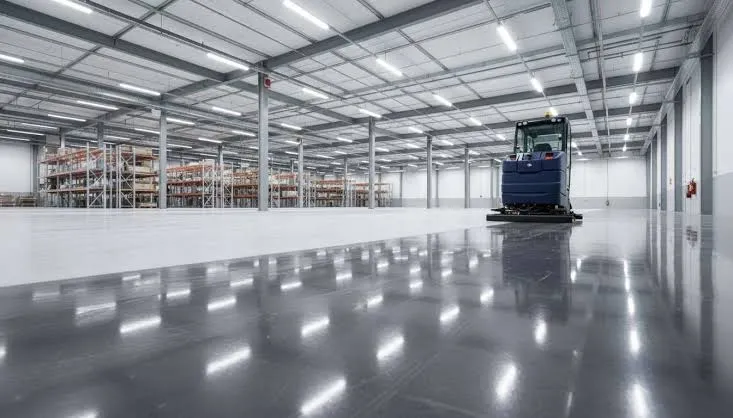
Warehouse inventory may be protected by packaging, shelving, and careful handling, but one important source of contamination often goes unnoticed. The concrete beneath everyday operations can produce fine dust as forklifts, pallet jacks, and repeated movement gradually wear its surface. This dust may settle on boxes, equipment, and stored goods. Installing suitable warehouse floor coatings can help control surface deterioration and simplify maintenance. For Bakersfield businesses, understanding the connection between concrete condition and inventory care is an important part of planning a cleaner facility.
Concrete Dust Creates Hidden Problems
Untreated concrete can gradually release fine particles when exposed to abrasion and repeated traffic. In a busy warehouse, those particles may become airborne or settle on shelves, packaging, and equipment. Regular sweeping removes accumulated dust but cannot always prevent more from forming. This creates an ongoing cleaning burden, particularly where products must remain visibly clean during storage. Investigating worn or powdery surfaces helps managers understand whether the problem comes from ordinary housekeeping conditions or deterioration within the concrete itself that requires attention.
Stored Goods Need Cleaner Surroundings
Dust affects different types of inventory in different ways. Sealed cartons may need only exterior cleaning, while exposed components, textiles, or sensitive equipment can require stricter storage conditions. A dusty environment may also make it harder to identify packaging damage or maintain orderly picking areas. Flooring improvements cannot replace appropriate product protection, ventilation, or inventory procedures. However, reducing dust generation at floor level can support broader housekeeping efforts. Facility managers should assess their storage requirements before deciding which improvements will provide meaningful operational benefits.
Sealed Surfaces Simplify Routine Cleaning
Rough, damaged concrete contains small irregularities where dirt and spilled materials can collect. Properly installed resin systems provide a more continuous surface that is generally easier to clean using suitable equipment. Businesses considering an epoxy coating company should discuss the types of debris, cleaning chemicals, and machinery regularly used in their facilities. The selected coating must tolerate those conditions without unnecessary deterioration. Surface texture also matters because an excessively rough finish may retain dirt, while overly smooth areas can create slipping concerns.
Equipment Movement Influences Floor Wear
Forklifts and pallet jacks place repeated pressure on the same travel paths, especially near loading bays and storage racks. Damaged joints and uneven patches can contribute to vibration, equipment wear, and uncomfortable movement for operators. A protective coating may improve surface durability, but it cannot correct every structural defect in an existing slab. Joint condition, concentrated loads, and wheel types must be considered separately. Reviewing these factors helps determine where repairs are necessary and which coating specifications are appropriate for the facility’s working conditions.
Preparation Matters Beneath Every Layer
A coating system relies on the concrete beneath it for effective adhesion. Oil contamination, residual paint, surface dust, and moisture can weaken that connection if not properly addressed. Husky Coatings describes a commercial installation process involving diamond grinding, dust extraction, joint repairs, and moisture-control preparation where required. These steps help establish suitable conditions before applying the specified layers. The exact preparation requirements depend on the slab and intended application. Investing attention below the visible finish can reduce the likelihood of premature coating failure.
Plan Cleaning Methods Before Installation
Cleaning procedures should influence flooring selection rather than being considered after the project is complete. Some warehouses use automatic scrubbers, while others rely on manual cleaning or occasional washdowns. The coating must be compatible with the equipment, detergents, and frequency of use. Drainage and slip resistance deserve additional consideration wherever water or liquids are present. Ask the contractor for written maintenance guidance and clarify which cleaning agents should be avoided. Suitable procedures help protect the finish while keeping the facility consistently presentable.
Review Performance Through Regular Inspections
A newly coated floor should become part of an established maintenance routine. Inspect high-traffic aisles, loading areas, and equipment turning points for scratches, impact damage, or changes in surface texture. Check joints and repaired sections for signs of movement or deterioration. Documenting small problems provides a useful history if repairs become necessary. Warehouse managers should also monitor whether cleaning time and dust accumulation have changed. These observations help evaluate performance without assuming that a protective finish will eliminate every future maintenance requirement.
Conclusion
A warehouse floor influences more than the movement of vehicles and employees. Its condition can affect cleanliness, product handling, equipment operation, and the workload of maintenance teams. Bakersfield facility owners seeking professional coating solutions can review available commercial services and request an assessment through huskycoatings.com. The most sensible investment begins with understanding the existing concrete and the demands placed upon it. When flooring decisions support inventory care and practical housekeeping, improvements can continue delivering value long after installation is complete.