
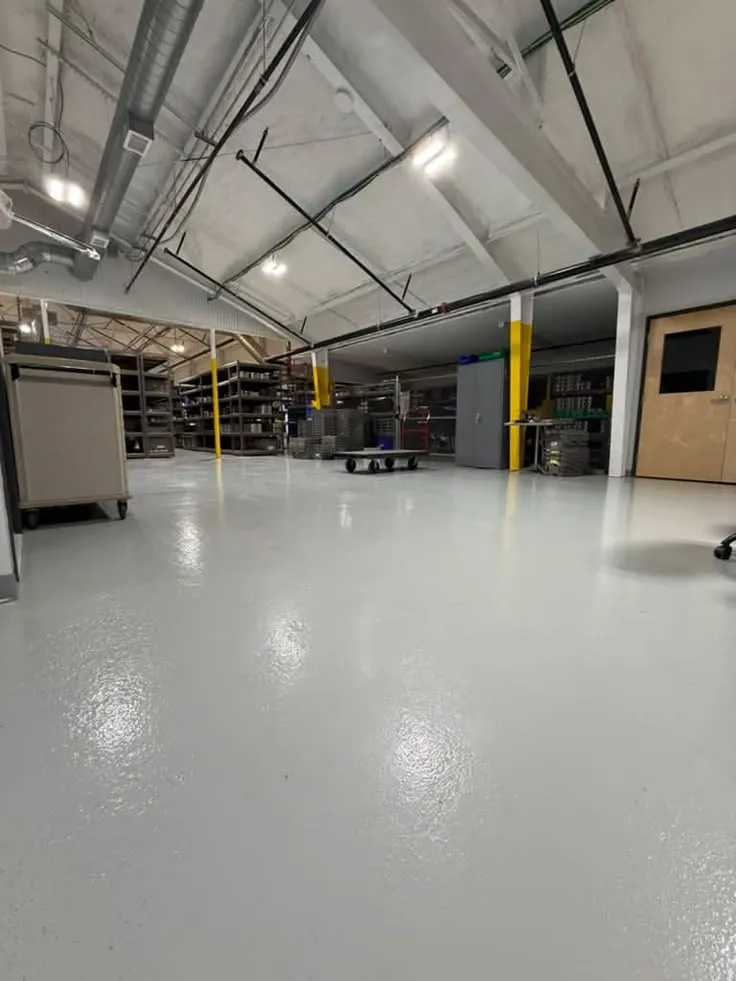
Industrial tenancies can hide complicated flooring conditions beneath abandoned racks and old coatings. Adhesives, oily patches, worn joints and uneven concrete may create problems for the next business. Planning concrete grinding newcastle work before fit-out helps landlords and tenants understand what must be removed, repaired and prepared for the intended finish. The aim is to establish a reliable surface based on the building’s condition and future use.
Learn What the Previous Tenant Left
Request maintenance records and ask what activities took place in the building. A former vehicle workshop may contain oil contamination, while a distribution unit could have damaged joints along forklift routes. Previous coatings may also conceal failed repairs or moisture-related problems.
A walk-through should record visible damage before new shelving or equipment is installed. Where the building’s history is uncertain, testing or further investigation may be needed before selecting surface preparation methods.
Identify the Future Floor’s Job
A new tenant’s operations determine what the floor needs to withstand. A dry storage facility may need straightforward cleaning and traffic markings, while a processing area might require chemical resistance, traction or washdown capability.
Agree on expected loads, wheel types, spills and cleaning methods before seeking quotations. This prevents unnecessary preparation work and allows contractors to work backwards from the new coating or floor covering specification rather than choosing an arbitrary grinding finish.
Distinguish Grinding From Shot Blasting
Diamond grinding removes surface material with abrasive tooling and can offer controlled treatment of old coatings, high spots and residues. Shot blasting propels abrasive media onto concrete to clean and establish a specified texture across suitable open areas. Scarifying may be considered for particularly thick or difficult layers.
The final concrete surface profile should match the specified flooring system and its manufacturer’s requirements. Contractors must also consider edge access, dust extraction and how to avoid damaging adjoining surfaces during preparation.
Check the Scope of Removal
A previous floor can contain more than the material visible on top. Carpet may leave adhesives, while resin coatings can remain bonded in some areas and loose in others.
Before work begins, establish:
-
Existing coverings, coatings and adhesive layers.
-
Suspected hazardous materials needing assessment.
-
Required surface profile for the new system.
-
Crack, joint and patch repair responsibilities.
-
Access, dust control and waste disposal arrangements.
Older materials should not be disturbed without appropriate assessment if asbestos or other hazards are suspected. A clear scope reduces disputes when unexpected layers are uncovered.
Choose Coatings for the New Operation
A site considering epoxy flooring hunter valley installations should start with the intended equipment, traffic and chemical exposure. A standard solid-colour warehouse epoxy may suit certain dry industrial areas, while heavier resin or polyurethane cement systems may be more appropriate where hot washdowns or aggressive chemicals are common.
The contractor should explain the complete build, including preparation, repairs, coating layers and curing. A durable finish cannot compensate for continuing slab movement or uncontrolled moisture.
Sequence Work Before Fit-Out
Grinding is easier before permanent racks, machinery and partitions restrict access. Plan the work with electricians, plumbers, fit-out teams and the incoming operator. Any new penetrations, drainage changes or structural repairs should be considered before applying the final coating.
Some buildings need staged work so essential routes remain open. Dust containment and extraction are particularly important around occupied neighbouring tenancies. Confirm when access can resume and when the new surface can safely support heavy equipment, rather than relying on its appearance.
Inspect the Handover Carefully
The finished floor should be checked against the agreed scope. Review surface defects, repairs, joint details, traction where specified and any required markings. Keep records of the coating products, cure schedule and maintenance instructions for the incoming tenant.
A handover discussion should identify cleaning methods, restrictions on chemicals and how defects will be reported. If a floor fails later, these records help distinguish unusual operating conditions from an installation or substrate issue. Good documentation protects both owner and occupant.
Conclusion
Reletting an industrial unit offers a chance to address hidden floor problems before operations begin. Understanding the former use, assessing coatings and contamination, selecting preparation methods and coordinating trades can reduce costly disruption. The finished system must suit the new tenant’s activities, with clear maintenance instructions and realistic curing requirements. Property owners and fit-out teams throughout Newcastle and the Hunter Valley can explore concrete preparation and industrial flooring services through blastprepgrind.com when planning a more dependable handover.