
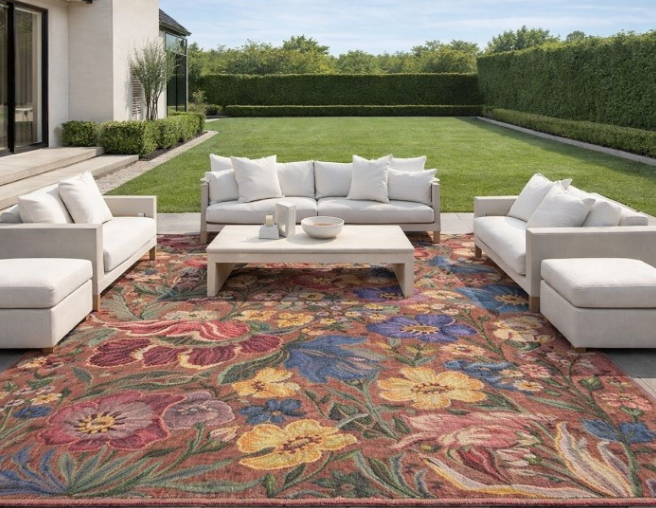
Minimal rugs work in every room because they complement any decor style without overwhelming the space. Choose neutral tones, natural fibers, and the right size for each area. Handmade rugs in India—like those from The Ambiente—offer authentic craftsmanship, durability, and clean design at fair prices.
A rug can make or break a room. Get it right, and the whole space feels intentional. Get it wrong, and even the best furniture looks out of place. Minimal rugs hit the sweet spot—they add warmth and texture without cluttering your visual field.
This guide walks you through how to choose the right minimal rug for every room in your home, from the living room to the hallway.
Why Minimal Rugs Work in Every Room
Minimal rugs don’t demand attention. That’s their strength. While a bold, patterned rug can clash with furniture or feel dated in a few years, a minimal rug stays relevant. Neutral tones and simple designs let your furniture, lighting, and art do the talking.
Minimal rugs also adapt. They work in modern apartments, traditional homes, and everything in between. A flat-weave wool rug looks just as good in a sleek, contemporary space as it does in a warm, layered interior.
When you buy rugs that are handmade, you also get a level of craftsmanship that machine-made rugs simply can’t match. Handmade rugs in India—particularly those woven in Bhadohi, one of South Asia’s largest carpet-weaving hubs—are known for their durability, texture, and attention to detail. Brands like The Ambiente, founded by Avani Khandelwal and backed by 30+ years of manufacturing experience through parent company Bhadohi Carpets, bring this craftsmanship directly to consumers at fair prices.
How to Choose Minimal Rugs for Your Living Room
The living room is where your rug works hardest. It anchors the seating arrangement and sets the tone for the whole space.
Size first, style second. Measure your seating area before you buy rugs. A common mistake is going too small—your rug should sit under the front legs of all major furniture pieces, at minimum. For a standard sofa arrangement, aim for at least a 6×9 ft rug.
Color keeps it grounded. Stick to warm beiges, soft grays, off-whites, or muted earthy tones. These shades work with almost any furniture color and prevent the room from feeling busy.
Texture over pattern. A handmade wool or silk rug adds visual interest through its weave and pile height—not through a loud print. This keeps the space feeling calm and curated.
What Makes Minimal Rugs Effective in Bedrooms?
Bedrooms need to feel restful. A minimal rug supports that by keeping the palette quiet and the design understated.
Soft tones set the mood. Cream, dusty rose, sage, and warm grey all work well. Avoid high-contrast colors that can feel jarring first thing in the morning.
Placement matters. You don’t need a rug that covers the entire bedroom floor. Two smaller rugs placed on either side of the bed—or one larger rug that extends about two feet beyond the bed frame on three sides—both work well.
Natural fibers add comfort. Wool and cotton rugs feel soft underfoot and regulate temperature naturally, making them ideal for bedrooms. Handmade rugs in India made from natural fibers also tend to be more breathable than synthetic options.
Which Minimal Rug Works Best in a Home Office?
Your home office needs to feel focused. A cluttered or visually busy rug pulls your attention in the wrong direction.
Go light and neutral. Light-colored minimal rugs reduce visual noise and keep the workspace feeling open. A low-pile flat weave works particularly well under desk chairs, as it doesn’t interfere with rolling wheels.
Size your rug to your desk setup. The rug should extend a few inches beyond your desk and chair on all sides. This frames the workspace and gives the room a more intentional, professional look.
Quality matters here too. A well-made handmade rug holds up under chair movement and daily foot traffic far better than a cheap, mass-produced alternative.
How to Pick Minimal Rugs for Entryways and Hallways
Entryways and hallways take a beating. These are high-traffic zones, so durability is non-negotiable.
Choose dense weaves. Flat-weave or tight-pile rugs handle heavy use without flattening quickly. Handmade rugs in India, particularly those made with wool, are built to last in these conditions.
Keep the design simple. Hallways often connect several rooms with different color schemes. A neutral minimal rug ties the spaces together without clashing with any of them.
Use a rug pad. In entryways especially, a non-slip rug pad protects both your rug and your floor—and keeps guests from sliding across the threshold.
Where to Buy Rugs: What to Look For
Not all rugs are created equal. When you buy rugs, especially minimal ones where the quality of the weave and material is immediately visible, craftsmanship makes a real difference.
Look for direct sourcing. Brands that work directly with artisans—rather than through multiple middlemen—tend to offer better quality at fairer prices. The Ambiente sources rugs directly from weavers in Bhadohi, India, and works with over 4,000 women artisans to produce handmade rugs that meet modern design standards without compromising on authenticity.
Prioritize natural materials. Wool, silk, and cotton rugs are more durable, more sustainable, and better-looking over time than synthetic alternatives.
Check for bespoke options. If you have specific size requirements or color preferences, many handmade rug providers—including The Ambiente—offer custom orders. This is especially useful for odd-shaped rooms or spaces with non-standard dimensions.
How to Care for Minimal Rugs and Make Them Last
A quality rug is an investment. Taking care of it properly extends its life significantly.
-
Vacuum regularly. For handmade rugs, use a low-suction setting and avoid vacuuming the fringes directly. Once or twice a week keeps dust and debris from settling into the fibers.
-
Spot clean immediately. For spills on light-colored minimal rugs, blot—don’t rub—with a clean cloth. Use a mild detergent mixed with water for tougher stains.
-
Rotate every 6–12 months. This prevents uneven wear, especially in high-traffic areas.
-
Get professional cleaning annually. For handmade rugs in India made from wool or silk, professional cleaning once a year keeps the fibers in top condition and maintains the rug’s appearance over time.
The Right Minimal Rug Is a Long-Term Choice
Minimal rugs are one of the most versatile investments you can make for your home. They work across rooms, adapt to changing decor, and—when made well—last for decades.
The key is choosing quality over convenience. When you buy rugs made by skilled artisans, you get a piece that holds up over time and continues to look good as your interior evolves.
If you’re looking for handmade rugs in India that combine genuine craftsmanship with clean, modern design, The Ambiente offers a curated range of minimal rugs crafted in Bhadohi by experienced weavers. With over 5,000 clients served and 30+ years of expertise behind the brand, it’s a strong place to start your search—whether you’re furnishing one room or your entire home.
Frequently Asked Questions About Minimal Rugs
What size minimal rug should I use in my living room?
For most living rooms, a 6×9 ft or 8×10 ft rug works well. The front legs of all major furniture pieces should sit on the rug. If your seating area is larger, go up to a 9×12 ft rug to maintain proper proportion.
Are handmade rugs in India better than machine-made rugs?
Handmade rugs in India are generally more durable and higher quality than machine-made alternatives. Because each rug is woven by hand, the density of the weave and the quality of the knots is consistently higher. They also tend to improve with age when properly maintained.
What materials work best for minimal rugs in high-traffic areas?
Wool is the most practical choice for high-traffic areas like entryways and hallways. It’s naturally resilient, resistant to dirt, and easy to clean. Flat-weave wool rugs work especially well because they don’t flatten under heavy foot traffic.
How do I choose a minimal rug color that works with my furniture?
Start with the undertones in your furniture and walls. If your space runs warm (wood tones, cream walls), choose rugs in warm beige or terracotta. For cooler palettes (white walls, grey sofas), opt for soft greys or sage. When in doubt, a warm off-white or natural linen tone works in almost every setting.
Where can I buy rugs that are genuinely handmade?
Look for brands that source directly from artisan communities. The Ambiente, based in Bhadohi and New Delhi, works directly with over 4,000 weavers to produce authentic handmade rugs in India. Buying directly from such brands ensures you get genuine craftsmanship rather than a machine-made product marketed as handmade.
How often should I professionally clean a handmade rug?
Most experts recommend professional cleaning once a year for handmade wool or silk rugs. This removes deep-set dirt that vacuuming can’t reach and helps maintain the integrity of the fibers over time.